
The long-awaited Milburn review on young people and work is finally out, and it proposes one of the biggest shake-ups of benefits for young people in decades.
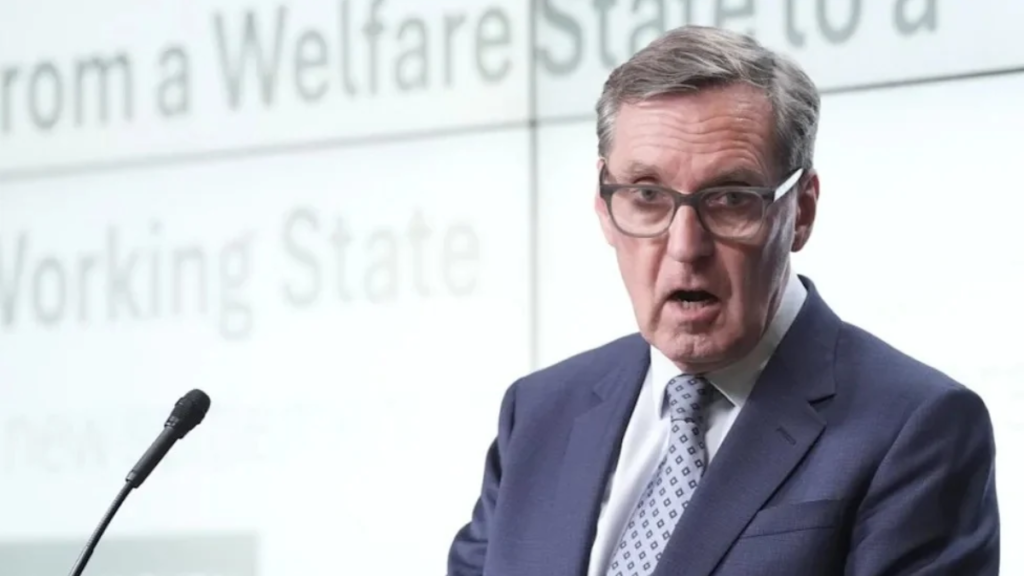
The report, called From a Welfare State to a Working State, was published on 17 November 2026 by former Labour minister Alan Milburn. It recommends that young people should stop getting Personal Independence Payment (PIP) and the health element of Universal Credit (UC), and move onto a new set of benefits instead.
Important: these are recommendations, not new rules. Nothing changes for anyone right now.
Who Could Be Affected
The numbers are big. As of 31 July 2026, 453,495 people aged 16 to 24 in England and Wales were entitled to PIP. That’s more than double the figure in January 2019. About 80% of them had a psychiatric condition recorded as their main disability.
On top of that, 257,987 people aged 16 to 24 in Britain were getting UC health payments as of June 2026. Many of them are likely to get PIP too.
The New Benefits Being Proposed
Instead of PIP and the UC health element, the review suggests:
- Youth Allowance: A single means-tested benefit for under-25s, paid at the current under-25 Universal Credit rate. There’d be a higher rate for young people living on their own, including care leavers and those cut off from their families. A work allowance would let them earn some money before their payment is reduced.
- Additional Cost Allowance: This would replace PIP for young people with “significant, established and ongoing” disability-related costs. It wouldn’t be means-tested, and it would be paid whether the person works or not. Eligibility would be decided through a national assessment led by healthcare professionals.
- Severe and Complex Needs Insurance: For young people whose needs are so serious that even maximum support wouldn’t give them a realistic route into work or study. It would pay more than current maximum benefit rates, but the bar to qualify would be very high.
- A local health and disability fund: For one-off costs like aids and equipment.
The review would also scrap the UC health top-up and the Work Capability Assessment for under-25s.
What Would Be Expected of Young People
There’s a big focus on “earning or learning.” Young people on Youth Allowance would need to agree a Participation Plan and take part in work, training or education. They couldn’t turn down reasonable offers without good cause.
Sanctions would apply. Persistently refusing to engage could mean losing the whole allowance. These requirements would be paused during serious illness, treatment or a crisis, and several attempts would be made to re-engage someone before any sanction.
What About People Already Claiming?
The report includes some promises for current claimants:
- Replacement support should be in place before any benefits change.
- People with established extra costs who are already working or studying would keep their support without a gap.
- Those with the most severe needs would move quickly to the new insurance payment, without having to prove their needs again.
- For others, the move would normally start six months before a scheduled reassessment, and their current payments would continue until the new support is ready.
Child DLA would also be extended from age 16 to 18.
When Could This Happen?
Not soon. The changes would be brought in gradually during this Parliament, and only if new laws are passed. The plan is for a Youth Opportunity Service in every area by the end of 2029. The government has already said it will respond to the review before the end of 2026, with a White Paper expected early in 2027.
The Bigger Goal
The review wants to cut the share of young people not in education, employment or training (NEET) from 13% to 5% by 2036. Milburn put it bluntly: “A lost generation is not a fact of life. It is a choice.”
Prime Minister Andy Burnham said the “status quo clearly isn’t working,” and that the government is ready to tackle the problem.
Concerns From Disability Groups
Not everyone is convinced. Benefits and Work, a disability rights website, warned that many young disabled people would be worse off, at least at first. It also raised concerns about how the plans would protect young people for whom work-related activity could pose a serious risk to their health.
What You Should Do Now
If you’re under 25 and get PIP or UC health payments, keep claiming as normal. Keep going to any assessments and keep reporting changes. Nothing has changed yet, and any changes would need new laws first.

Maria is a dedicated news writer covering the latest UK updates on DWP, PIP, State Pension Triple Lock, Child Benefit, Universal Credit, and driving licence regulations. She focuses on explaining government announcements, benefit eligibility, payment changes, pension increases, and new regulations in a clear and easy-to-understand way.