
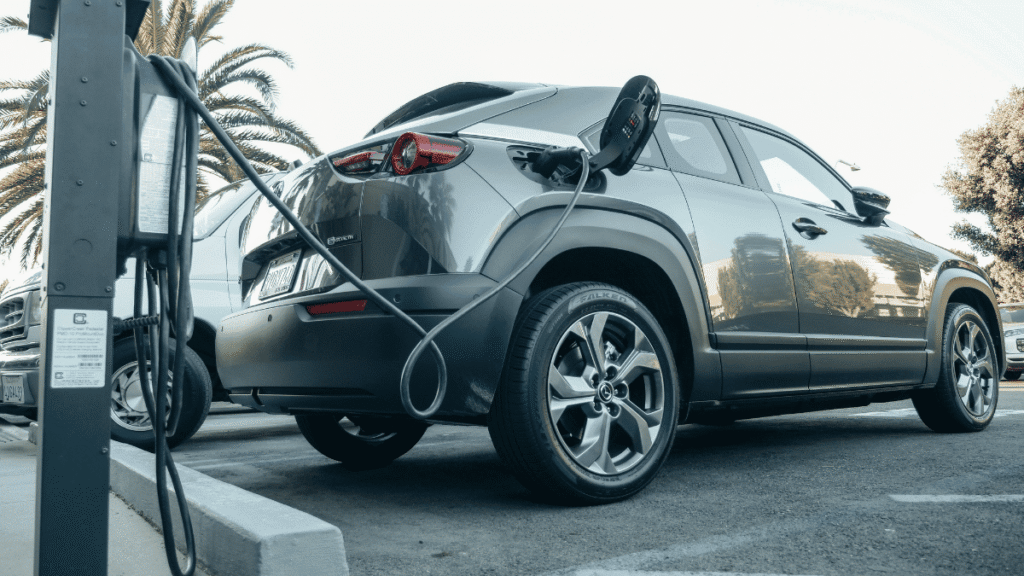
If you’d like an electric car but don’t have a driveway, one of the biggest headaches just got easier. As of October 21, you no longer need planning permission to install a cross-pavement charger, the kind that runs a cable safely under the pavement from your house to your car parked on the street.
The Department for Transport says cutting this step could save drivers up to £300 on installation, and make home charging possible for many more households.
Here’s what’s changed, who it helps and what to check before you book an installer.
What’s changed
Until now, anyone who wanted to run a charging cable from their home across the pavement to their car had to apply for planning permission first. That added cost and paperwork, and put a lot of people off altogether.
That step has now been scrapped for cross-pavement chargers. The government has also changed planning rules so that charge point companies can install bigger, faster public charging hubs more quickly and cheaply.
Who it helps
The main winners are people who park on the street outside their home, a group that has struggled to switch to electric. According to EVA England, which represents electric car drivers, 60% of petrol and diesel drivers without off-street parking say they would never consider an EV.
Vicky Edmonds, EVA England’s chief executive, called the change “a really welcome and meaningful step towards a fairer transition.”
What it could save you
According to the government:
| Saving | |
|---|---|
| Installation, by skipping planning permission | Up to £300 |
| Cost of charging at home | As little as 2p a mile |
| Running costs, by charging on cheaper home electricity | Up to £1,750 |
The running-cost figure depends heavily on your energy tariff, how much you drive and how often you’d otherwise use public chargers, so treat it as a best-case estimate.
The bigger picture
Electric car sales are climbing. September 2026 was a record month, with almost 100,000 electric cars sold in the UK, up 36% on a year earlier. The government’s Electric Car Grant has helped more than 190,000 drivers, saving them up to £3,750 each on a new EV.
Buses and Local Transport Minister Simon Lightwood said the government is saving drivers up to £300 by cutting unnecessary red tape, so more people can charge at home.
Renting or in a flat? Two more changes are on the table
The government has also opened two consultations. Both are open for responses until December 16, 2026:
- Charging for tenants and leaseholders. Ideas include clearer guidance for landlords and possibly new rules that would make it harder for landlords and freeholders to refuse a reasonable request to install a charger.
- Building regulations. This looks at requiring charge points in new and refurbished covered car parks.
Neither of these is law yet. If you rent or own a leasehold flat and have struggled to get permission for a charger, the consultation is a chance to have your say.
Before you book an installer
Scrapping planning permission removes one hurdle, but it doesn’t mean anything goes. A few things to check first:
- Talk to your local council. The pavement belongs to the highway authority, so your council may still have its own approval process or rules for work that crosses it.
- Check where you live. The announcement comes from the UK Department for Transport. Planning rules are set separately in Scotland, Wales and Northern Ireland, and the announcement doesn’t say whether the change applies there.
- Use a qualified installer who has done cross-pavement installations before and can explain any permits involved.
- Compare energy tariffs. The biggest savings come from charging overnight on a cheaper EV or off-peak tariff.

Maria is a dedicated news writer covering the latest UK updates on DWP, PIP, State Pension Triple Lock, Child Benefit, Universal Credit, and driving licence regulations. She focuses on explaining government announcements, benefit eligibility, payment changes, pension increases, and new regulations in a clear and easy-to-understand way.