
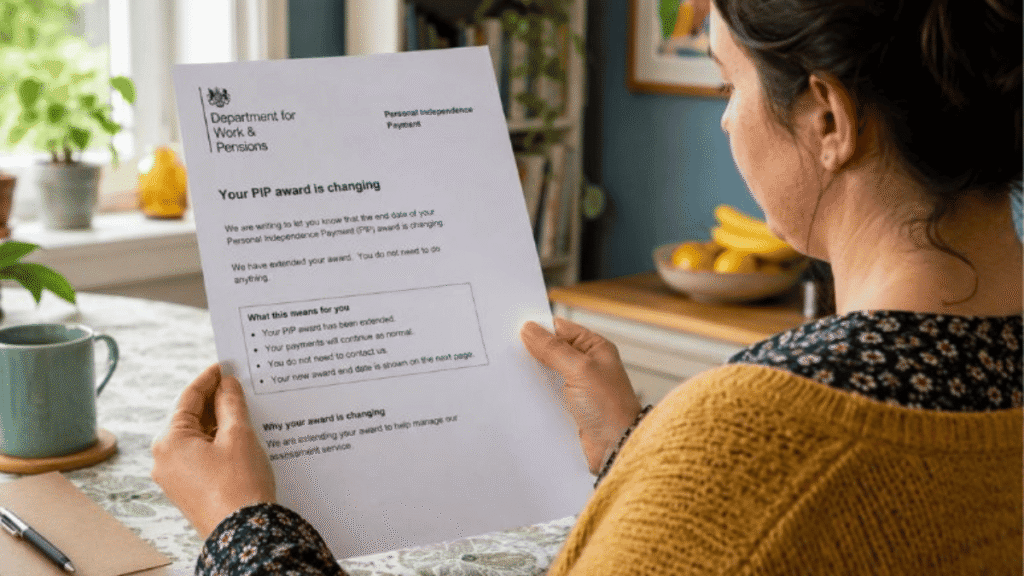
If you’re one of the adults who never got moved from Disability Living Allowance (DLA) to Personal Independence Payment (PIP), that is now changing. The DWP has restarted the move, and letters are going out.
Many of the people affected have had a lifetime or indefinite DLA award for years and have never been reassessed. So this can come as a real worry. Here’s what you need to know.
What’s Happening
The DWP stopped new adult DLA claims in 2013, when PIP was introduced. Most adults have already moved over. But the transfer was paused in 2020, which left around 150,000 people still on DLA.
The process has now started again. The DWP began with about 3,000 randomly chosen claimants in September 2026 to test the system, before a wider rollout to everyone else still on DLA. No end date for the full rollout has been published.
Who Is Affected
You’ll be invited to claim PIP if you live in England or Wales, get adult DLA, and were born after 8 April 1948, meaning you were aged 16 to 64 on 8 April 2013.
This applies even if you have a lifetime or indefinite DLA award.
Who Can Stay on DLA
You can keep getting DLA if you were born on or before 8 April 1948. Children under 16 also stay on DLA and are usually invited to claim PIP shortly after they turn 16.
If you live in Scotland, different rules apply, because disability benefits there are moving to Adult Disability Payment.
You Won’t Be Moved Automatically
This is the most important part. Nobody is switched over without doing anything. You’ll get a letter telling you your DLA is ending and inviting you to claim PIP.
You then usually have 28 days to start your PIP claim. If you don’t respond, or you miss an assessment you were asked to attend, your DLA can stop and you won’t get PIP either.
You can’t choose to move early. You just need to wait for your letter.
Your DLA Keeps Being Paid While You Wait
You don’t lose money while your claim is being looked at. DLA carries on until a decision is made on your PIP claim, and it usually stops at least 28 days after that decision.
PIP Isn’t the Same as DLA
PIP has different rules from DLA, so this isn’t a simple swap. It’s a brand new assessment. Depending on how your condition affects you, your PIP award could be higher than your DLA, the same, lower, or you might not qualify at all.
How to Prepare
- Don’t ignore the letter. Call or start your claim within the deadline.
- Gather your evidence early: letters from your GP, consultant, carers or anyone who supports you.
- Write down how your condition affects you day to day, especially on bad days. Include how long tasks take you and whether you need help.
- Get free help with the form from Citizens Advice or a local welfare rights service.
- If you disagree with the decision, you can ask for a Mandatory Reconsideration and then appeal.
More Changes May Be on the Way
PIP itself is under review. The Timms Review is due to give its final recommendations this month. The government has said it will respond before the end of 2026 and publish a White Paper early in 2027. For now, though, the current PIP rules still apply to anyone moving over from DLA.

Maria is a dedicated news writer covering the latest UK updates on DWP, PIP, State Pension Triple Lock, Child Benefit, Universal Credit, and driving licence regulations. She focuses on explaining government announcements, benefit eligibility, payment changes, pension increases, and new regulations in a clear and easy-to-understand way.